Hello, This is Alessio, a passionate creative designer based in Milan, Italy.
Services
Visual Design
Style with a purpose.
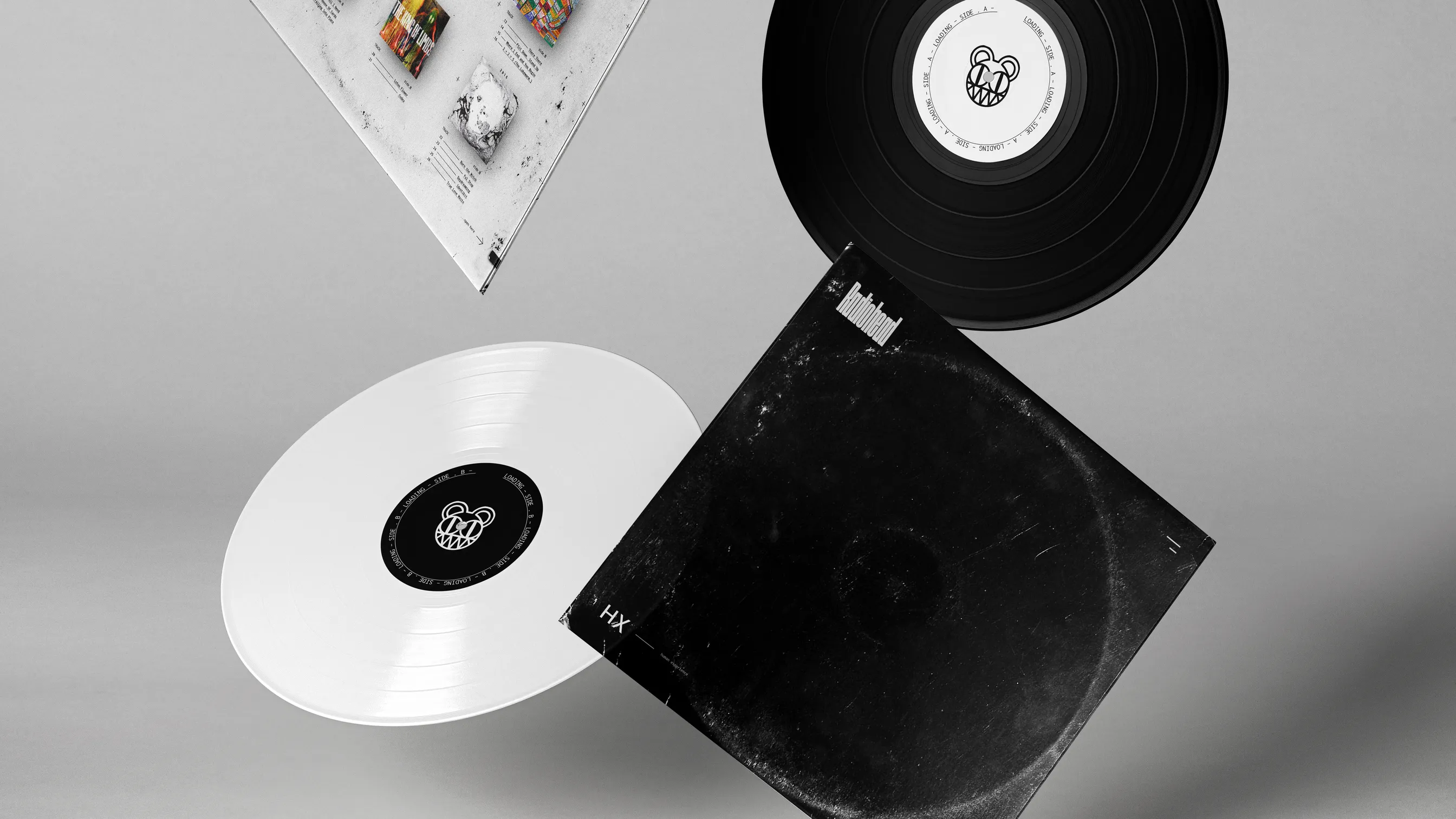
Art direction and imagery that make your brand's personality visible.
Discover Visual Design projectsUI Design
Clarity that scales.
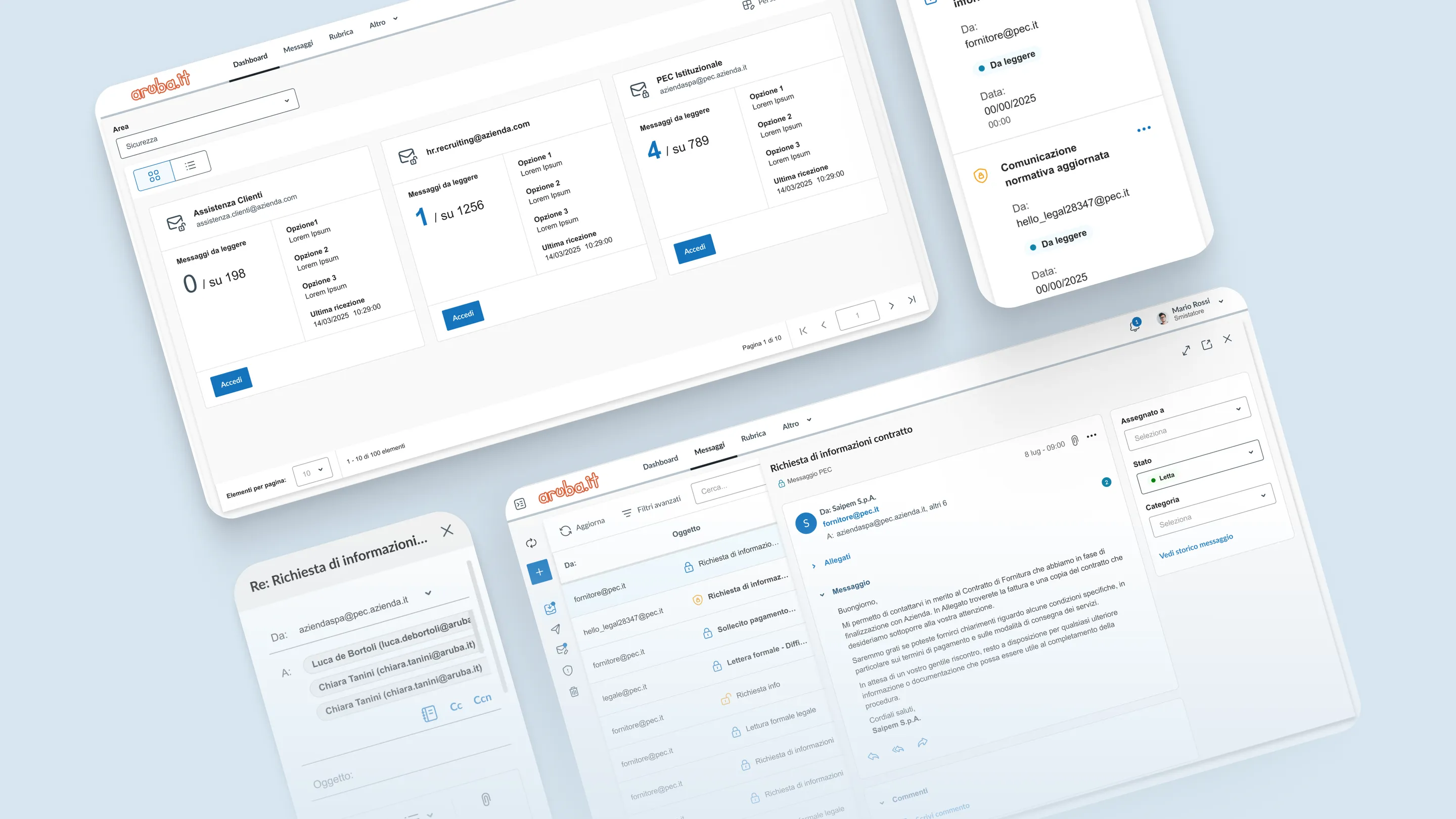
Sharp interfaces on design systems I create and maintain to scale.
Discover UI Design projectsPrompt Design
Directing the machine.
I direct AI like a film crew: clear briefs, sharp notes, many takes.
Discover Prompt Design projectsAccessibility
Design for everyone.
Inclusive, WCAG-compliant experiences, so no one gets left out.
Discover Accessibility projects
Last projects
About me
All I've got about 15 years of design behind me, along with a worrying number of files named:
final_v3_ok_this_one.fig
Before UX and UI, I was a visual and graphic designer, working on logos, catalogs, flyers, ad posters and websites. I was also a fashion e-commerce photographer, which means I spent hours fixing the fold of a shirt nobody would ever see in real life. That's where I learned a rule that still holds today: a detail out of place always gets noticed, especially by the client.
Along the way, I taught myself motion design, one YouTube tutorial at a time. My first animation took 8 hours; later ones took an hour and a half. It was the most satisfying learning curve of my life.
Then came digital, first as a web designer and then as a UX/UI designer, working across UX, UI and design systems. Translation: I talked 47 shades of gray down to 4 and defended white space from everyone who wanted to “fill it up a bit.”
Today I work in consulting at Hinto, designing interfaces for digital products. I've discovered that every meeting has one more slide than I expected.
I'm driven by curiosity, clarity and empathy. For me, empathy mostly means accessibility: designing for people who navigate with a screen reader, use only a keyboard, or read on their phone under the August sun. If an interface works for them, it works better for everyone. And yes, that includes the button that “could be just a tiny bit bigger?” Spoiler: sometimes the client is right, because minimum target sizes are very much a thing.